
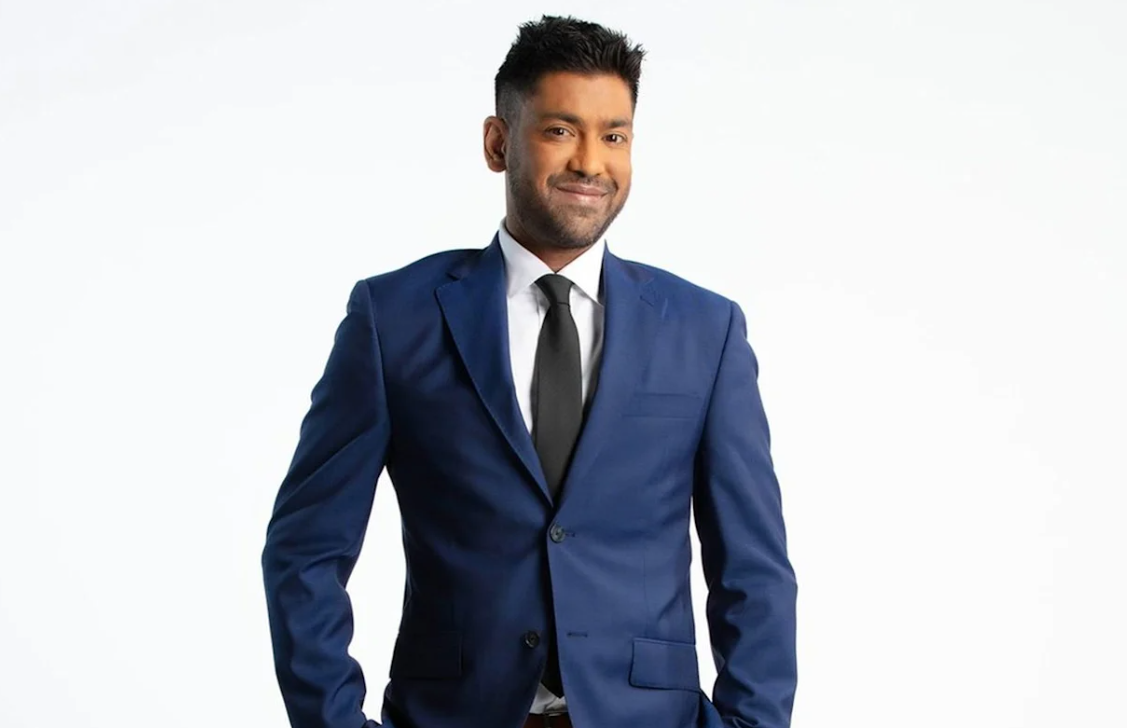
Travis Dhanraj represents a modern generation of journalists who operate at the intersection of traditional reporting and evolving audience expectations. In an era defined by rapid information cycles, political polarization, and declining trust in institutions, Dhanraj’s work stands out for its insistence on accountability, clarity, and direct engagement with power.
Dhanraj rose to national prominence through his role as a parliamentary correspondent for CBC News, where he reported from the heart of Canada’s political system—Ottawa. Covering federal politics requires not only an understanding of policy and governance but also the ability to interpret complex developments in real time. Dhanraj demonstrated an aptitude for translating legislative processes, political maneuvering, and institutional dynamics into accessible narratives for the public.
What distinguishes Dhanraj’s approach is his interviewing style. He is known for asking precise, often pointed questions, frequently pressing public officials when responses lack substance or clarity. This approach reflects a broader philosophical stance on journalism: that reporters should not merely relay information but actively interrogate it. In doing so, Dhanraj aligns himself with a tradition of investigative and accountability journalism that prioritizes public interest over political convenience.
However, this style has not been without controversy. In a media environment where tone and delivery are scrutinized as closely as content, Dhanraj’s directness has occasionally sparked debate. Critics argue that such an approach risks appearing adversarial, while supporters counter that it is necessary in holding leaders accountable. This tension highlights a central challenge in modern journalism—balancing assertiveness with perceived neutrality.
Beyond his on-air presence, Dhanraj’s career reflects broader shifts within the media industry. The rise of digital platforms and social media has transformed how news is consumed and disseminated. Journalists are no longer just reporters; they are also public figures who engage directly with audiences. Dhanraj has navigated this shift by maintaining a professional presence while participating in public discourse, reinforcing his role as both a communicator and an interpreter of political events.
Representation is another significant dimension of Dhanraj’s impact. As a journalist of South Asian heritage, his visibility in a prominent national role contributes to a more inclusive media landscape. Diversity in journalism is not merely symbolic—it influences the range of perspectives represented in storytelling and shapes how communities see themselves reflected in national narratives.
Dhanraj’s work also underscores the evolving relationship between journalists and institutions. In an age where skepticism toward government and media alike is widespread, journalists face the dual challenge of scrutinizing power while maintaining credibility. Dhanraj’s emphasis on direct questioning and evidence-based reporting can be seen as a response to this environment—an attempt to reinforce the role of journalism as a pillar of democratic accountability.
Looking forward, the role of journalists like Travis Dhanraj is likely to become even more critical. As misinformation, political complexity, and global uncertainty continue to shape public discourse, the demand for clear, rigorous, and trustworthy reporting will only increase. Dhanraj’s career trajectory suggests that he will remain a central figure in this landscape, contributing to the ongoing evolution of journalism in Canada and beyond.
