
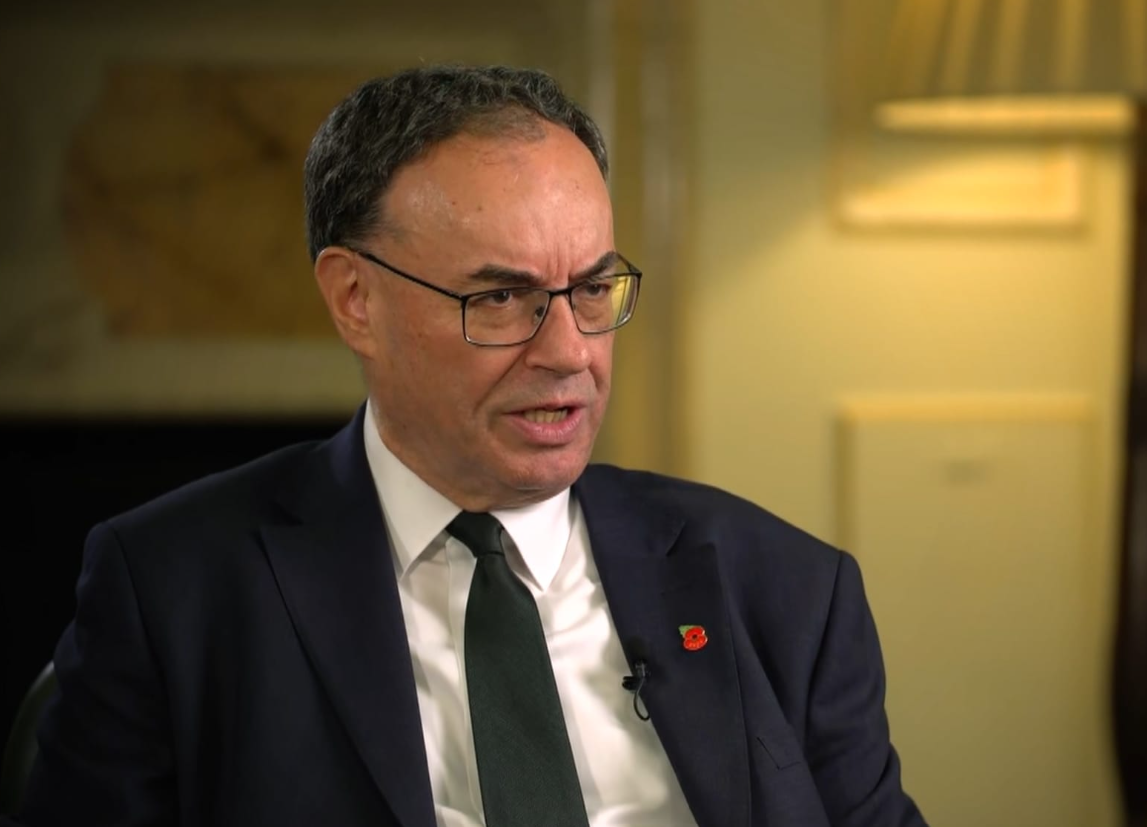
Andrew Bailey is a British economist and financial regulator best known for serving as the Governor of the Bank of England. Throughout his career, he has worked within the British financial system during periods of major economic change, including financial crises, inflationary pressures, and global market instability. His leadership has placed him at the center of discussions about monetary policy, economic recovery, and financial regulation in the United Kingdom.
Born in Leicester, England, Bailey studied history at university before beginning a long career connected to economic policy and financial oversight. He joined the Bank of England in the 1980s and gradually advanced through various senior positions. Over time, he became involved in key areas of banking supervision, financial stability, and crisis management.
Bailey’s career coincided with several major transformations in global finance. During the 2008 global financial crisis, regulators and central banks faced enormous pressure to stabilize financial institutions and restore public confidence. Bailey worked on regulatory matters connected to the British banking sector at a time when governments and central banks worldwide were introducing emergency measures to prevent economic collapse.
Before becoming Governor of the Bank of England, Bailey also led the Financial Conduct Authority (FCA), one of the United Kingdom’s primary financial regulators. In that role, he oversaw consumer protection issues, market regulation, and supervision of financial firms. The position placed him at the center of debates surrounding banking accountability, investment regulation, and financial misconduct.
In 2020, Bailey officially became Governor of the Bank of England during an exceptionally difficult economic period. The COVID-19 pandemic created severe disruptions across global markets, supply chains, employment, and consumer activity. Central banks were required to respond rapidly through monetary policies designed to stabilize economies and support financial systems.
As Governor, Bailey became heavily involved in decisions regarding interest rates, inflation control, and economic forecasting. One of the primary responsibilities of the Bank of England is maintaining price stability while supporting broader economic growth. During periods of rising inflation, the Bank faced intense public and political scrutiny over interest-rate decisions and the broader cost-of-living crisis affecting households across the United Kingdom.
Bailey’s public communication style is generally considered cautious and technical, reflecting the traditions of central banking institutions. However, central bankers increasingly operate in highly politicized environments where financial decisions directly affect mortgage costs, savings, employment, and consumer confidence. As a result, Bailey’s comments on inflation, wages, and economic expectations often receive significant media attention.
Supporters argue that Bailey has managed extremely difficult economic circumstances during periods shaped by pandemic recovery, geopolitical instability, energy price shocks, and volatile global markets. They emphasize that many economic pressures affecting Britain have also impacted economies worldwide, making policy decisions particularly challenging.
Critics, however, have questioned whether the Bank of England responded quickly enough to inflationary pressures. Some politicians and economists argued that earlier action on interest rates may have reduced the severity of inflation. Others criticized communication strategies that they believed underestimated the persistence of rising prices.
The role of central banking has evolved considerably in recent decades. Governors of major central banks are no longer viewed solely as technical policymakers working quietly behind the scenes. Instead, they are now highly visible public figures whose decisions influence political debates, financial markets, and public confidence in national economies. Andrew Bailey’s tenure illustrates this shift clearly.
Beyond immediate economic policy, Bailey’s leadership reflects broader questions about how governments and financial institutions respond to uncertainty in an interconnected global economy. Issues such as inflation, debt, financial regulation, digital currencies, and economic resilience continue shaping the responsibilities of central banks around the world.
Andrew Bailey remains a central figure in British economic policy during a period marked by rapid change and economic complexity. Whether praised for stability-focused leadership or criticized for controversial policy decisions, his role at the Bank of England continues to influence discussions about the future direction of the British economy and the broader global financial system.
