Befini
  • Home
  • Articles
  • Shop
  • About Us
  • Contact Us
  • 0
  • stories

  • Memories

  • About Me

Articles

Santiago Abascal: El Líder que Sacudió la Política Española

by Mateo Jones 25 February 2026
written by Mateo Jones

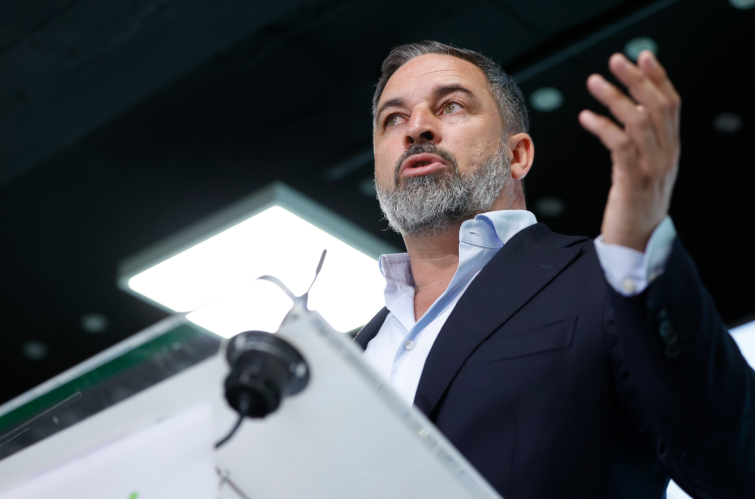
Santiago Abascal Conde, presidente de Vox, se ha convertido en una de las figuras más controvertidas y determinantes de la política española contemporánea. Desde la fundación de su partido en 2013, ha logrado lo que muchos consideraban imposible: irrumpir en el bipartidismo y llevar un discurso de derecha radical al centro del debate político en España.

Orígenes y Formación: De las Juventudes del PP a Fundar Vox

Nacido en Bilbao en 1976, Abascal creció en el seno de una familia con profundas raíces políticas. Su padre, también llamado Santiago Abascal, fue concejal del Partido Popular en Llodio durante años, sufriendo amenazas y coacciones por parte de ETA. Esta experiencia marcaría profundamente la visión política del joven Santiago.

Afiliado al Partido Popular desde los 18 años, Abascal desarrolló gran parte de su carrera en el País Vasco, donde ocupó diversos cargos: fue concejal en Llodio, diputado foral en Álava y, finalmente, diputado en el Parlamento Vasco entre 2004 y 2009. Durante estos años, destacó por su oposición frontal al nacionalismo vasco y su defensa de las víctimas del terrorismo.

Sin embargo, su relación con la dirección nacional del PP fue deteriorándose. Abascal consideraba que Mariano Rajoy había adoptado una postura demasiado complaciente con el nacionalismo y que el partido había abandonado sus principios. En 2013, dio el paso definitivo: abandonó el PP y se unió al proyecto de Vox, un partido fundado por exmilitantes populares desencantados.

El Ascenso: De Partido Marginal a Tercera Fuerza

Durante sus primeros años, Vox fue una formación testimonial, sin representación parlamentaria y con escasa presencia mediática. Abascal, que asumió la presidencia en 2014, mantuvo un perfil bajo mientras trabajaba en la construcción de un discurso y una estructura de partido.

El punto de inflexión llegó en 2018, con la crisis territorial de Cataluña. La frustración de amplios sectores de la población ante el desafío independentista y la percepción de que el gobierno de Mariano Rajoy no había sabido responder, crearon un caldo de cultivo para el mensaje de Vox. Abascal capitalizó ese descontento con un discurso duro: defensa de la unidad de España, ilegalización de partidos independentistas y suspensión de la autonomía catalana.

Las elecciones andaluzas de diciembre de 2018 marcaron un antes y un después. Vox irrumpió en el Parlamento andaluz con 12 escaños, convirtiéndose en la llave para que PP y Ciudadanos formaran gobierno. La imagen de Abascal, rodeado de banderas de España y coreando “¡Viva España y Viva el Rey!”, dio la vuelta al mundo.

A partir de ahí, el crecimiento fue imparable. En las elecciones generales de abril de 2019, Vox obtuvo 24 diputados. Ocho meses después, en la repetición electoral de noviembre, duplicó su resultado hasta los 52 escaños, consolidándose como tercera fuerza política nacional.

El Pensamiento de Abascal: Ideas Fuerza de un Proyecto Político

El discurso de Santiago Abascal se articula en torno a varios ejes que conectan con el malestar de una parte de la sociedad española:

Defensa de la Nación y Rechazo al Nacionalismo Periférico: Para Abascal, la unidad de España es el principio irrenunciable. Propone la supresión de las autonomías, la ilegalización de los partidos independentistas y la aplicación del artículo 155 de la Constitución en Cataluña de forma permanente si fuera necesario.

Inmigración y Seguridad: Abascal defiende un control estricto de las fronteras y vincula inmigración con delincuencia. Su propuesta de “protección de las fronteras” y “devoluciones en caliente” ha generado fuertes críticas de organizaciones de derechos humanos, pero también le ha granjeado apoyos en barrios periféricos de grandes ciudades.

Familia y Valores Tradicionales: El líder de Vox se opone al aborto, la eutanasia y lo que denomina “adoctrinamiento LGTBI” en las escuelas. Defiende la familia tradicional y critica lo que considera una deriva “totalitaria” del feminismo.

Rearme Moral y Defensa de Occidente: Abascal se presenta como un defensor de las raíces cristianas de Europa y de la civilización occidental, en confrontación con lo que describe como una amenaza islamista.

Rechazo a la Agenda 2030 y al Globalismo: En los últimos años, ha incorporado un discurso crítico con las élites globales y con la Agenda 2030 de Naciones Unidas, a la que acusa de querer imponer una “dictadura verde” que arruinaría al campo español.

La Vida Personal de Abascal: Imagen y Marketing Político

Santiago Abascal ha sabido construir una imagen pública que combina dureza política con cercanía personal. Casado en segundas nupcias con la periodista y escritora Lidia Bedman, es padre de cuatro hijos y no oculta su pasión por la naturaleza, la caza y los deportes al aire libre.

Su presencia en redes sociales es constante y calculada. Abascal maneja un tono directo, a menudo confrontacional, que moviliza a sus seguidores y genera polémica entre sus detractores. Sus paseos por el campo, sus reflexiones sobre la “españa vaciada” y sus denuncias constantes contra el “gobierno de la vergüenza” alimentan una comunidad digital muy activa.

Polémicas y Controversias

La trayectoria de Abascal no ha estado exenta de polémica. Sus declaraciones sobre la violencia de género, la inmigración o el colectivo LGTBI le han valido críticas constantes de la izquierda y los medios progresistas. También ha sido denunciado en varias ocasiones por presuntos delitos de odio, aunque ninguna de estas denuncias ha prosperado judicialmente.

Uno de los momentos más tensos de su carrera se vivió en 2020, durante la moción de censura contra Pedro Sánchez, cuando su discurso fue interrumpido en numerosas ocasiones por los gritos de la bancada socialista. Abascal, lejos de amedrentarse, elevó el tono y acusó al gobierno de “humillar a España”.

Abascal y la Internacional de la Derecha Radical

El líder de Vox mantiene estrechos vínculos con otros líderes de la derecha alternativa europea y mundial. Ha participado en eventos organizados por el partido de Giorgia Meloni en Italia, ha mostrado su afinidad con Marine Le Pen en Francia y ha elogiado a figuras como Jair Bolsonaro en Brasil o Donald Trump en Estados Unidos.

Estas conexiones internacionales refuerzan su discurso de pertenecer a un movimiento global contra las élites progresistas y el globalismo. En 2024, Abascal participó activamente en la campaña electoral de Javier Milei en Argentina, acompañando al libertario en sus actos finales y consolidando su imagen como referente internacional de la derecha alternativa en español.

El Futuro de Abascal y Vox

A medida que nos adentramos en 2026, el futuro político de Santiago Abascal presenta interrogantes. Tras las elecciones generales de 2023, Vox se consolidó como tercera fuerza, pero los pactos poselectorales le han dejado fuera del gobierno en la mayoría de comunidades autónomas donde era necesario.

La irrupción de nuevas fuerzas políticas y la posible moderación del Partido Popular bajo el liderazgo de Alberto Núñez Feijóo plantean desafíos para la estrategia de Vox. ¿Seguirá Abascal creciendo o ha tocado techo?

Lo que parece indiscutible es que Santiago Abascal ha transformado el panorama político español. Su capacidad para movilizar a millones de votantes en torno a un discurso identitario y su habilidad para mantener la cohesión interna de un partido que ha sufrido varias crisis, le convierten en un actor con el que cualquier gobierno deberá contar en los próximos años.

Conclusión

Santiago Abascal es, sin duda, una de las figuras más polarizadoras de la España actual. Para sus seguidores, es un patriota que ha devuelto la esperanza a millones de españoles que se sentían huérfanos políticamente. Para sus detractores, representa una amenaza para la convivencia y los valores democráticos.

Lo que nadie puede negar es que, en poco más de una década, ha conseguido lo que parecía imposible: romper el tablero político español y colocar sus ideas en el centro del debate. Su historia, desde aquel joven concejal en Llodio hasta liderar a cientos de miles de personas en la plaza de Colón, es también la historia de la transformación de la política española en el siglo XXI.

25 February 2026 0 comments
0 FacebookTwitterPinterestEmail
Articles

Pedro Sánchez Anuncia un Nuevo Pacto por la Ciencia y la Innovación para Impulsar la Inteligencia Artificial en España

by Mateo Jones 25 February 2026
written by Mateo Jones

El presidente del Gobierno, Pedro Sánchez, ha presentado esta mañana en el Complejo de la Moncloa un ambicioso plan para posicionar a España como uno de los líderes europeos en el desarrollo de la inteligencia artificial y la transformación digital. El anuncio, realizado durante un acto con representantes del sector tecnológico, incluye una inversión histórica de 2.500 millones de euros en los próximos tres años.

Una Apuesta Estratégica por la Soberanía Tecnológica

Sánchez compareció ante los medios acompañado de la vicepresidenta primera y ministra de Asuntos Económicos, Nadia Calviño, y del ministro para la Transformación Digital, José Luis Escrivá. El presidente destacó que esta iniciativa responde a la necesidad de “reforzar la autonomía estratégica de España y Europa en un momento de profundos cambios geopolíticos y tecnológicos”.

“La inteligencia artificial no es el futuro, es el presente, y España no puede permitirse quedarse atrás”, declaró Sánchez. “Este pacto por la ciencia y la innovación que firmamos hoy con las principales empresas del sector, las universidades y los centros de investigación va a movilizar recursos públicos y privados como nunca antes habíamos visto en nuestro país”.

Los Pilares del Nuevo Plan

El programa anunciado por el presidente se estructura en cuatro ejes fundamentales:

1. Infraestructura de Supercomputación
Se destinarán 800 millones de euros para ampliar la capacidad del Barcelona Supercomputing Center y crear nuevos nodos de computación cuántica en Valencia y Málaga. El objetivo es que España cuente con una de las redes de supercomputación más potentes de Europa.

2. Talento Digital
Se crearán 15.000 nuevas plazas de formación profesional en inteligencia artificial y ciberseguridad, además de 5.000 becas para programas de doctorado especializados. Sánchez subrayó que “sin talento, no hay tecnología” y que esta inversión busca “formar a la próxima generación de ingenieros y científicos españoles”.

3. Transferencia de Conocimiento
Se pondrán en marcha 20 centros de innovación aplicada que conectarán la investigación universitaria con las necesidades del tejido empresarial. Estos centros, que se ubicarán en comunidades autónomas con fuerte presencia tecnológica como Cataluña, Madrid y Andalucía, recibirán 400 millones de euros.

4. Soberanía de Datos
El plan incluye la creación de un espacio común de datos industriales y sanitarios, garantizando la privacidad y seguridad de la información. “Nuestros datos deben estar protegidos y servir al desarrollo de nuestro país, no para alimentar los algoritmos de potencias extranjeras sin control”, afirmó el presidente.

Reacciones del Sector Tecnológico

El anuncio ha sido recibido con optimismo por parte de los principales actores del sector tecnológico español. La patronal digital Ametic calificó la iniciativa como “un paso en la dirección correcta” y destacó la importancia de que “la colaboración público-privada sea real y efectiva”.

Empresas como Telefónica, Indra y startups españolas de inteligencia artificial han mostrado su disposición a participar en los proyectos. La vicepresidenta Calviño explicó que “se abrirán convocatorias competitivas para que todas las empresas, independientemente de su tamaño, puedan optar a estos fondos”.

Críticas de la Oposición

Sin embargo, el anuncio también ha generado reacciones críticas. El Partido Popular cuestionó la capacidad del Gobierno para ejecutar estos fondos de manera eficiente, recordando la lenta absorción de los fondos europeos de recuperación. La portavoz popular, Cuca Gamarra, declaró: “Sánchez anuncia grandes cifras, pero los resultados no llegan. Llevamos años escuchando promesas sobre digitalización y seguimos a la cola de Europa en muchos indicadores”.

Por su parte, Unidas Podemos, socio de coalición, celebró la inversión pero advirtió sobre la necesidad de garantizar que los fondos lleguen a las pymes y no solo a las grandes corporaciones.

Contexto Europeo

El anuncio de Pedro Sánchez se produce en un momento de intensa competencia global por el liderazgo en inteligencia artificial. Mientras Estados Unidos y China acaparan gran parte de la inversión mundial, la Unión Europea busca reforzar su posición a través de iniciativas como el programa Horizonte Europa y la nueva regulación de inteligencia artificial.

Francia y Alemania ya han lanzado planes similares en los últimos meses, con inversiones millonarias en supercomputación y talento digital. España busca ahora cerrar la brecha y posicionarse como un actor relevante en el sur de Europa.

Próximos Pasos

El presidente anunció que en las próximas semanas se convocará una Conferencia Sectorial con las comunidades autónomas para coordinar la ejecución de los fondos. Además, se creará una oficina técnica dependiente de Presidencia del Gobierno para supervisar el cumplimiento de los objetivos.

“España tiene el talento, las empresas y la capacidad para liderar la revolución tecnológica en Europa”, concluyó Sánchez. “Ahora tenemos también los recursos y el compromiso político. El futuro no espera, y nosotros tampoco vamos a esperar”.

El acto finalizó con un guiño del presidente a los jóvenes investigadores y emprendedores presentes: “Sois vosotros los que vais a construir la España del mañana. Y este Gobierno va a poner todos los medios para que podáis hacerlo desde aquí, desde vuestro país”.

25 February 2026 0 comments
0 FacebookTwitterPinterestEmail
Articles

Steven Bartlett: Entrepreneur, Author, and Media Innovator

by Mateo Jones 6 December 2025
written by Mateo Jones

Steven Bartlett, born on August 26, 1992, in Botswana, is a British entrepreneur, author, and media personality known for his innovative approaches to business and media, as well as for his role as a motivational speaker. As the co-founder of Social Chain and a former investor on the BBC show Dragon’s Den, Bartlett has become one of the most influential young voices in entrepreneurship and social media marketing.


Early Life and Education

Steven Bartlett was born in Botswana to English parents and moved to Plymouth, England, during his early childhood. His early experiences in a multicultural environment influenced his worldview and entrepreneurial mindset. From a young age, Bartlett displayed ambition, creativity, and a willingness to take risks.

He attended St. Boniface’s College in Plymouth but did not follow the traditional academic route. Instead, he pursued business and marketing, driven by a desire to build something impactful from a young age.


Entrepreneurial Journey

Bartlett co-founded Social Chain in 2014, a social media marketing agency that focuses on creating innovative campaigns for brands across digital platforms. The company grew rapidly, leveraging social media trends to deliver measurable results for clients. Under his leadership, Social Chain became known for its unconventional marketing strategies and rapid growth, earning industry recognition.

Bartlett’s entrepreneurial style emphasizes creativity, authenticity, and the use of emerging technologies. He has been praised for understanding the power of social media in shaping consumer behavior and culture, making him a thought leader in digital marketing.


Media Career and Public Profile

Beyond entrepreneurship, Steven Bartlett has made a name for himself in media. He was a judge and investor on BBC’s Dragon’s Den, where he evaluated start-ups and provided guidance to aspiring entrepreneurs. His approach combined business acumen with mentorship, encouraging innovation and ethical business practices.

Bartlett is also the host of The Diary of a CEO, a popular podcast where he interviews business leaders, creatives, and influencers. The podcast is widely respected for its candid discussions about personal growth, mental health, business challenges, and leadership. Bartlett’s approachable style and insightful questions have helped the podcast become one of the most popular business-focused audio shows globally.


Authorship and Thought Leadership

Steven Bartlett is also an author. His book, “Happy Sexy Millionaire: Unexpected Truths about Fulfillment, Love, and Success”, became a bestseller and explores the realities of success, happiness, and personal fulfillment in the modern world. The book encourages readers to challenge societal norms and pursue meaningful goals beyond traditional definitions of wealth.

His work often emphasizes mental health, resilience, and self-awareness, bridging the gap between entrepreneurship and personal development.


Awards and Recognition

Bartlett has received numerous accolades for his entrepreneurial and media work, including:

  • Forbes 30 Under 30 in Europe for his achievements in business and media
  • Recognition as one of the most influential young leaders in the UK
  • Awards for innovation in social media marketing

These honors highlight his impact as a business innovator and thought leader.


Philosophy and Impact

Steven Bartlett is known for his advocacy of self-improvement, transparency, and ethical entrepreneurship. He emphasizes that true success is not only about financial gains but also about personal fulfillment, mental well-being, and societal contribution.

He regularly speaks at conferences, universities, and corporate events, inspiring young professionals and entrepreneurs to embrace creativity, persistence, and authenticity in their work.


Personal Life

Despite his high-profile career, Bartlett often emphasizes balance, self-reflection, and continuous learning. He openly discusses the pressures of entrepreneurship and media life, providing an honest perspective that resonates with a generation seeking purpose alongside professional success.


Conclusion

Steven Bartlett is a modern Renaissance figure in business and media: an entrepreneur, media personality, and author whose influence extends far beyond conventional business metrics. His innovative strategies, engaging storytelling, and advocacy for mental health and personal growth make him a role model for aspiring entrepreneurs and creatives worldwide.

Bartlett’s story illustrates the power of leveraging modern media, embracing failure as a learning tool, and pursuing success on one’s own terms. His journey from a young entrepreneur in Plymouth to an international thought leader is an inspiring example of vision, determination, and authenticity.

6 December 2025 0 comments
0 FacebookTwitterPinterestEmail
Articles

Gary Lineker: From Football Legend to Media Icon

by Mateo Jones 6 December 2025
written by Mateo Jones

Gary Winston Lineker, born on November 30, 1960, in Leicester, England, is a former professional footballer and one of the most recognizable figures in sports broadcasting today. Renowned for his goal-scoring prowess, leadership on the pitch, and later his charismatic presence on television, Lineker has had a career that spans decades, leaving an indelible mark on football and sports media.


Early Life and Introduction to Football

Gary Lineker grew up in Leicester, where he displayed a natural talent for sports from an early age. He attended the Babington Community College, and by his teenage years, he had already attracted attention for his footballing skills. Encouraged by his family and coaches, Lineker pursued a career in football, joining the youth ranks of Leicester City in the late 1970s.

His early dedication, work ethic, and innate goal-scoring ability set him apart from his peers. By the age of 18, he made his professional debut for Leicester City, quickly establishing himself as a prolific striker in the English Football League.


Club Career and Achievements

Leicester City (1978–1985)
Lineker began his professional career with his hometown club, Leicester City, where he became known for his incredible finishing, positioning, and sportsmanship. During his time at Leicester, he scored over 80 goals and gained recognition as one of the most promising young forwards in English football.

Everton (1985–1986)
In 1985, Lineker signed with Everton, where he continued his goal-scoring streak. Despite spending only one season with the club, he finished as the top scorer in the First Division and helped Everton compete at the highest level.

Barcelona (1986–1989)
Lineker moved abroad to play for FC Barcelona in Spain’s La Liga. He adapted quickly to Spanish football and became the club’s top scorer in his debut season. Lineker’s time at Barcelona was highlighted by winning the Copa del Rey and the UEFA Cup Winners’ Cup, further solidifying his reputation as an elite striker in European football.

Tottenham Hotspur (1989–1992)
Returning to England, Lineker joined Tottenham Hotspur, where he enjoyed further success, winning the FA Cup in 1991 and continuing to demonstrate his consistent goal-scoring abilities.

Nagoya Grampus (1992–1994)
Lineker concluded his professional playing career in Japan with Nagoya Grampus Eight, helping to promote football in Asia and leaving a lasting impact on the Japanese league before retiring in 1994.


International Career with England

Gary Lineker’s contributions to the England national team cemented his legacy as one of the country’s greatest strikers. He earned 80 caps and scored 48 goals, making him England’s third-highest scorer of all time.

1986 FIFA World Cup
Lineker rose to international stardom during the 1986 World Cup in Mexico, where he won the Golden Boot as the tournament’s top scorer with six goals. Notably, he maintained a clean disciplinary record, never receiving a yellow or red card in his entire career—a rare feat for a striker.

1990 FIFA World Cup
In the 1990 World Cup held in Italy, Lineker helped England reach the semifinals, scoring three crucial goals, including the famous penalty against Cameroon in the quarterfinals. His performance earned him admiration worldwide and reinforced his reputation as a gentleman both on and off the pitch.


Playing Style and Legacy

Lineker was known for his exceptional positioning, clinical finishing, and intelligence on the pitch. Unlike many strikers, he relied not on physical aggression but on precision, timing, and technical skill. His fair play, discipline, and professionalism earned him respect from teammates, opponents, and fans alike.

Beyond his statistics, Lineker’s legacy is defined by his consistency, humility, and role as a role model for aspiring footballers. He exemplified the values of sportsmanship, earning the FIFA Fair Play Award in 1990.


Media Career and Broadcasting

After retiring from professional football, Lineker transitioned seamlessly into broadcasting. He became a prominent presenter for the BBC, hosting programs such as Match of the Day, the flagship football highlights show in the UK. His charisma, insight, and engaging presenting style made him one of the most respected sports broadcasters in the country.

Lineker has also covered major international tournaments, including the FIFA World Cup and UEFA European Championship, providing expert commentary, interviews, and analysis. His transition from player to media personality demonstrated his versatility and continued influence in the footballing world.


Philanthropy and Public Life

Gary Lineker has used his public profile to support various charitable initiatives, including soccer programs for underprivileged youth, fundraising for medical research, and campaigns promoting social inclusion. He is also an outspoken advocate for human rights and has often voiced opinions on political and social issues, earning both praise and controversy.


Personal Life

Lineker has been married and has children, balancing family life with a high-profile career in sports and media. Known for his approachable personality, humor, and humility, he remains a beloved public figure in the UK and internationally.


Awards and Honors

  • FIFA World Cup Golden Boot (1986)
  • BBC Sports Personality of the Year (1986)
  • FIFA Fair Play Award (1990)
  • Multiple domestic league top-scorer awards

These honors reflect not only his athletic achievements but also his commitment to fair play and professional conduct.


Conclusion

Gary Lineker is more than just a football legend; he is a cultural icon whose influence spans sport, media, and society. From his goal-scoring exploits in Leicester, Barcelona, and Tottenham to his polished media presence, Lineker exemplifies excellence, integrity, and versatility.

His story is a testament to dedication, talent, and the power of sports to inspire generations. Even decades after his retirement from professional football, Lineker remains a central figure in global football culture, respected by fans, players, and colleagues worldwide.

6 December 2025 0 comments
0 FacebookTwitterPinterestEmail
Articles

Arjen Lubach: Satiricus, Presentator en Schrijver

by Mateo Jones 6 December 2025
written by Mateo Jones

Arjen Lubach, geboren op 22 oktober 1979 in Leiden, is een van de bekendste Nederlandse satirici, televisiepresentatoren en schrijvers. Hij staat vooral bekend om zijn scherpe humor, maatschappelijke kritiek en vermogen om complexe politieke en sociale onderwerpen op een toegankelijke en grappige manier te presenteren.


Opleiding en vroege carrière

Arjen Lubach studeerde in Groningen aan de Rietveld Academie en volgde daarnaast een opleiding toneelschrijven. Al op jonge leeftijd toonde hij interesse in theater, literatuur en media. Zijn vroege werk omvatte het schrijven van toneelstukken, columns en korte verhalen, waarin hij vaak maatschappelijke thema’s en actuele gebeurtenissen verwerkte.

Zijn eerste bekendheid kreeg hij via theaterproducties en satirische optredens. Door zijn originele stijl en scherpe humor trok hij snel de aandacht van een breder publiek en begon hij in televisieproducties te verschijnen.


Televisiecarrière

Arjen Lubach is vooral bekend van het satirische programma “Zondag met Lubach”, dat van 2014 tot 2021 op de Nederlandse televisie werd uitgezonden. In dit programma combineerde hij nieuws, satire en comedy, waarbij hij actuele politieke gebeurtenissen en maatschappelijke kwesties kritisch bekeek.

Het programma werd meerdere keren bekroond voor zijn creativiteit en impact, en maakte Lubach tot een van de invloedrijkste stemmen in de Nederlandse media. Een van de bekendste momenten uit het programma was de parodie op de Amerikaanse president Donald Trump, die wereldwijd aandacht kreeg.

Naast “Zondag met Lubach” werkte hij mee aan andere televisieprogramma’s, zoals “De Avondshow met Arjen Lubach”, waarin hij nieuws en entertainment combineerde, en hij was betrokken bij verschillende documentaires en specials.


Schrijverschap en andere projecten

Lubach is niet alleen televisiemaker, maar ook schrijver. Hij publiceerde verschillende boeken, waaronder romans, korte verhalen en essays. Zijn schrijfstijl kenmerkt zich door humor, ironie en maatschappelijk engagement.

Daarnaast is hij actief als stemacteur en muzikant. Zijn veelzijdigheid in verschillende media en genres heeft hem een breed publiek opgeleverd en een reputatie als creatieve en invloedrijke mediapersoonlijkheid in Nederland.


Stijl en invloed

Arjen Lubach staat bekend om zijn scherpe satire, ironische humor en kritische blik op politiek en samenleving. Hij weet op een unieke manier gevoelige onderwerpen bespreekbaar te maken en tegelijkertijd te entertainen.

Zijn werk heeft invloed gehad op de manier waarop Nederlanders satire en politieke kritiek consumeren. Hij wordt geprezen om zijn vermogen om feiten, humor en opinie te combineren, waardoor complexe onderwerpen begrijpelijk en boeiend worden.


Persoonlijk leven

Hoewel Arjen Lubach een publieke figuur is, houdt hij zijn persoonlijke leven relatief privé. Hij staat bekend als iemand die zijn werk serieus neemt, maar tegelijkertijd humor en creativiteit hoog in het vaandel heeft staan.


Conclusie

Arjen Lubach is een van de meest invloedrijke Nederlandse mediapersoonlijkheden van zijn generatie. Door zijn werk in televisie, literatuur en satire weet hij op unieke wijze een breed publiek te bereiken en maatschappelijke discussies te stimuleren. Zijn combinatie van humor, kritisch denken en creatieve productie maakt hem een icoon van moderne Nederlandse satire.

6 December 2025 0 comments
0 FacebookTwitterPinterestEmail
Articles

Wie is Anna Gimbrère

by Mateo Jones 6 December 2025
written by Mateo Jones

Anna Gimbrère is een Nederlandse wetenschapsjournalist, presentatrice en popularisator van wetenschap. Ze werd geboren op 6 januari 1986 in Utrecht, Nederland. Ze studeerde theoretische natuurkunde aan de Universiteit van Amsterdam.


Opleiding en vroege carrière

Na haar studie besloot Anna dat haar pad niet in een onderzoekslaboratorium lag, maar in het overbrengen van wetenschap naar het brede publiek. Ze begon te werken als redacteur en schrijver van wetenschappelijke televisieprogramma’s en kwam al snel voor de camera te staan.

Haar vroege projecten omvatten werk aan de Nationale Wetenschapsquiz en andere populaire wetenschapsprogramma’s.


Televisieprojecten en wetenschapscommunicatie

Anna Gimbrère werd bekend als presentatrice en maker van verschillende wetenschappelijke en populaire programma’s. Enkele voorbeelden:

  • Anna’s Brains — een programma waarin ze samen met jonge wetenschappers en kunstenaars experimenteert en complexe wetenschappelijke vragen onderzoekt.
  • De Wilde Ruimte — een documentaire serie over ruimteonderzoek en de ontwikkeling van de ruimtevaart.
  • Bodem in Zicht — een programma over grondstoffwinning en de impact daarvan op milieu en samenleving.
  • Pointer — een onderzoeksjournalistiek programma waarin Anna momenteel als presentatrice werkt.

Dankzij haar werk worden complexe onderwerpen zoals fysica, ruimtevaart, ecologie en duurzame ontwikkeling begrijpelijk en toegankelijk voor het brede publiek.


Persoonlijke overtuigingen en interesses

Anna vertelt niet alleen over wetenschap, ze pleit ook actief voor duurzame ontwikkeling, natuurbescherming en gelijke kansen in de wetenschap.
Ze benadrukt vaak dat de helft van het “mentale potentieel van de mensheid” niet genegeerd kan worden — ze verwijst hierbij naar vrouwen in de wetenschap.

In een interview zei Anna:
“Ik heb altijd geloofd dat wetenschap de sleutel is tot het begrijpen van onze planeet, en het is belangrijk dat daar eerlijk en enthousiast over wordt verteld.”


Waarom Anna Gimbrère belangrijk is

  • Ze is een uitstekend voorbeeld van hoe iemand met een academische achtergrond (natuurkunde) wetenschap toegankelijk en interessant kan maken.
  • Via televisie en media trekt ze de aandacht van het publiek voor belangrijke thema’s zoals ecologie, ruimtevaart, duurzame ontwikkeling en de rol van vrouwen in de wetenschap.
  • Haar stijl is levendig, emotioneel en boeiend, waardoor ze het stereotype doorbreekt dat wetenschap saai of ontoegankelijk is.
6 December 2025 0 comments
0 FacebookTwitterPinterestEmail
Articles

Michael D. Higgins — President of Ireland

by Mateo Jones 6 December 2025
written by Mateo Jones

Early Life and Education

Michael D. Higgins was born on 18 April 1941. wink+1
He grew up in a modest family and pursued higher education before embarking on a career that combined academia, activism and eventually public service. Higgins studied sociology, politics, and economics at university and began his professional path engaging in cultural and civil‑rights work.

Political Career and Ascent

Higgins’ entry into politics was marked by his commitment to social justice, equality, and human rights. Over the years, he served in various roles — as a member of parliament, as a public intellectual, and as a voice for progressive causes. His background in academia and culture helped him shape a distinctive political style rooted in empathy and social consciousness.

In 2011, Michael D. Higgins was elected as the President of Ireland. УНИАН+1
As president, he has used his platform to advocate for human rights, social inclusion, cultural diversity and the protection of dignity for all citizens.

Presidency: Focus and Values

During his presidency, Higgins has emphasized:

  • Social equality and justice — advocating for marginalized groups, promoting equal rights and dignity for minorities and underrepresented communities.
  • Cultural and humanistic values — supporting arts, literature, and education as key pillars for societal development.
  • International solidarity and human rights — using Ireland’s voice on the global stage to support humanitarian causes and democratic values.

His public addresses often reflect a deep concern for social cohesion, empathy, and responsible citizenship.

Personal Life and Public Image

Michael D. Higgins is widely respected for his humility, intellectual depth, and authentic concern for people — traits that set him apart in contemporary politics. His background as scholar, poet and activist gives him a broad appeal beyond party lines.

He is perceived not just as a political figure, but as a moral compass and a “president of the people,” someone who represents values of compassion, dignity, and solidarity.

Legacy and Influence

As president, Higgins has shaped the symbolic and ethical dimension of Irish leadership. His tenure has reinforced the idea that heads of state can — and should — be more than administrators: they should be cultural leaders, moral guides, and defenders of humanity.

For many Irish citizens and observers abroad, Michael D. Higgins stands as an example of dignified leadership, combining intellect, empathy and consistent advocacy for human rights and social justice.

Why His Story Matters

In a time when politics globally often tends toward polarization and populism, Higgins’ presidency serves as a reminder that public office can — and perhaps should — be exercised with empathy, respect for diversity, and a commitment to universal human values.

6 December 2025 0 comments
0 FacebookTwitterPinterestEmail
Articles

Leo Varadkar: Ireland’s Modern Political Leader

by Mateo Jones 6 December 2025
written by Mateo Jones

Leo Eric Varadkar, born on January 18, 1979, in Dublin, Ireland, is one of the most prominent contemporary Irish politicians. A member of the Fine Gael party, Varadkar has served in multiple high-profile roles, including Tánaiste (Deputy Prime Minister) and Minister for Enterprise, Trade, and Employment. He is widely recognized for his progressive vision, reform-oriented policies, and historic impact on Irish politics.

Early Life and Education

Leo Varadkar was born to an Indian father, Ashok Varadkar, a doctor, and an Irish mother, Miriam Varadkar. Growing up in a multicultural household in Dublin, he experienced a blend of Irish and Indian cultures, which shaped his perspective on identity, diversity, and public service. He attended the prestigious St. Michael’s College before pursuing medicine at Trinity College Dublin, where he qualified as a doctor.

Although trained as a physician, Varadkar developed a strong interest in politics from a young age. His early engagement with public service and community issues laid the foundation for his political ambitions.

Political Career

Varadkar’s political career began in 2004 when he was elected to Fingal County Council. In 2007, he was elected as a Teachta Dála (TD) for Dublin West, becoming the youngest TD in the Dáil at the time. Known for his articulate communication skills, analytical thinking, and pragmatic approach, he quickly rose through the ranks of Fine Gael.

Over the years, Varadkar has held several ministerial positions, including Minister for Transport, Tourism, and Sport (2011–2014), Minister for Health (2014–2016), and Minister for Social Protection (2016–2017). In each role, he pursued modernizing policies, often emphasizing innovation, efficiency, and social reform.

Taoiseach of Ireland

In June 2017, Leo Varadkar made history by becoming Ireland’s youngest Taoiseach (Prime Minister) at the age of 38 and the first openly gay leader of the country. His leadership came at a crucial time, particularly as Ireland navigated Brexit negotiations and economic challenges. Varadkar emphasized economic stability, progressive social policies, and Ireland’s continued engagement on the European stage.

Under his leadership, Ireland saw significant reforms, including initiatives to improve healthcare accessibility, enhance digital infrastructure, and promote social equality. Varadkar also played a key role in Ireland’s Brexit negotiations, advocating for the protection of the Good Friday Agreement while maintaining strong trade relations with the European Union and the United Kingdom.

Leadership Style and Vision

Leo Varadkar is known for his pragmatic, forward-thinking, and inclusive leadership style. He balances traditional party values with progressive social policies, making him popular among younger voters and urban constituencies. His personal background and openness about his sexuality have also contributed to his image as a modern, approachable, and empathetic leader.

Challenges and Achievements

Despite his achievements, Varadkar’s career has faced challenges, including political opposition, public scrutiny over healthcare reforms, and economic uncertainties. Nevertheless, his resilience, communication skills, and strategic thinking have enabled him to maintain a prominent position in Irish politics.

His tenure as Tánaiste, beginning in June 2020, reflects a power-sharing agreement with Micheál Martin, illustrating his ability to collaborate across party lines and ensure government stability in a complex political landscape.

Personal Life and Advocacy

Beyond politics, Leo Varadkar is a strong advocate for LGBTQ+ rights, healthcare reform, and social equality. He is openly gay and has spoken publicly about the importance of visibility and representation in leadership roles. His commitment to progressive policies extends beyond rhetoric, influencing legislative changes and public discourse in Ireland.

Conclusion

Leo Varadkar stands out as one of Ireland’s most dynamic political figures. From a young doctor with a multicultural background to the first openly gay Taoiseach, his journey reflects resilience, modern leadership, and dedication to public service. His progressive vision, commitment to social equality, and pragmatic approach to governance have left a lasting impact on Ireland, shaping the country’s policies and its role on the global stage.

As Ireland continues to navigate challenges such as economic recovery, social reform, and post-Brexit adjustments, Leo Varadkar remains a pivotal figure in ensuring stability, modernization, and inclusivity in Irish politics.

6 December 2025 0 comments
0 FacebookTwitterPinterestEmail
Articles

Using Photography as a Way to Remember Important Moments

by Mateo Jones 3 October 2025
written by Mateo Jones

Photography has long been seen as more than just an art form. At its core, it is a deeply human attempt to hold time still—just for a fraction of a second—so we may protect something precious from fading away. Whether it’s the glimmer of joy in a child’s eyes, the warmth of a family gathering, or the subtle beauty of everyday life, photographs become markers of meaning. They do more than record faces or places: they preserve feelings, atmospheres, and relationships that can otherwise slip away unnoticed in the constant forward motion of life.

What makes photography so emotionally powerful is its ability to bridge moments that are both ordinary and extraordinary. A simple snapshot of a meal shared at the kitchen table can hold as much value as a portrait taken at a milestone celebration. Years later, those images acquire deep resonance. They not only remind us of what happened but rekindle the sensation of being there—the laughter, the voices, even the unsaid feelings lingering in the room. In that sense, photography is less about freezing appearances and more about capturing traces of the human journey itself.

On a personal level, revisiting old photographs often brings families closer together. They spark conversations, encouraging people to retell stories and share perspectives that might otherwise be lost to silence. At the same time, photographs offer comfort during times of absence or grief, creating a sense of continuity with loved ones who are far away or no longer with us. For future generations, the images we leave behind act as visual narratives that communicate values, identities, and emotions in ways words alone cannot. A single photograph might be all it takes to connect a grandchild to their grandparent’s youth, revealing details about daily life, traditions, or personality that written records often overlook.

As years pass, the meaning of an image deepens. A photograph that initially feels like a casual snapshot can become a profound treasure with time. The child in the picture grows, the holiday traditions evolve, the people in the frame change—and suddenly the photograph becomes not just a memory but a portal back to feelings long cherished. The quiet power of an old photograph lies in its ability to surprise us with details we had forgotten: the color of a favorite shirt, the expression of joy on someone’s face, or even the small imperfections that remind us life was happening in its raw, unpredictable form.

In this way, photography becomes a thread woven through past, present, and future—a tangible bridge across generations. Each image is not just for us in the present but for those who come after us, giving them a glimpse into what mattered most in our lives. More than mementos, they are legacies in visual form.

At its essence, photography is both a record and a reflection. The very act of picking up a camera—or simply pulling out a phone—requires intention. It suggests, this is important, I want to remember this. In that small decision lies a recognition of value: the acknowledgment that a moment deserves preservation. By selecting what we capture, we build a personal archive of meaning, one frame at a time.

Unlike text, which tends to summarize or analyze, photographs often communicate on an emotional wavelength. They reveal subtleties otherwise overlooked: the nervous smile during a proposal, the slightly messy decorations at a birthday party, the way sunlight falls across a favorite public bench. When revisited, these visual cues can trigger cascades of memory, allowing us to relive experiences not only through what we see but through what we once felt.

Sharing photography extends this reflective process outward. Showing family albums, digital galleries, or even a simple snapshot on a phone to a friend opens an invitation for storytelling. Through this act, memories are kept alive, reshaped by the perspectives of others, and handed down as shared points of identity. For communities and families, this continuity fosters belonging and strengthens bonds that withstand the erosion of time.

Photography also plays a subtle but important role in emotional well-being. Revisiting meaningful images can bring comfort during difficult times or help us practice gratitude by reminding us of what we have experienced and cherished. This process can ease the fear of forgetting, assuring us that while time moves forward, certain moments remain protected in visual form. Even the practice of creating photographs encourages mindfulness, drawing us into the present and reminding us to slow down in a culture that constantly pushes speed, efficiency, and distraction.

Over time, the meaning and impact of photographs evolve. What once seemed insignificant might later shine with new depth after life experience reframes it. A candid shot of an ordinary day may unexpectedly reveal patterns of love, resilience, or joy that only become visible in hindsight. Each photograph, therefore, is not static—it is alive with layers of significance waiting to be rediscovered and reinterpreted.

Ultimately, photography teaches us presence. It reminds us that even in the rush of life, pausing to notice and preserve a moment can transform it into something timeless. As memory and image intertwine, we discover that photographs are much more than pictures. They are bridges of continuity, strands of identity, and vessels of meaning. Through them, we remember not just what life looked like, but what it truly felt like to live it.

3 October 2025 0 comments
0 FacebookTwitterPinterestEmail
Articles

Tips for Choosing Gadgets for Everyday Life Without Overspending

by Mateo Jones 3 October 2025
written by Mateo Jones

Technology has become woven into nearly every part of modern life. From smartphones and smartwatches to headphones, kitchen devices, and productivity tools, new gadgets arrive on the market almost daily—each one advertised as the next game-changer. While advancements in technology can genuinely make life easier, it’s also easy to get caught in a cycle of overspending on devices that look impressive but don’t actually add lasting value. The key to smarter tech decisions lies in developing a mindful approach: buying what serves you best, not what simply catches your eye.

Below, we’ll explore two essential aspects: first, how to evaluate the true value of everyday gadgets before you commit, and then strategies for smart shopping on a budget that help you get the most out of every purchase without draining your wallet.


Understanding the True Value of Everyday Gadgets

1. Look Beyond Flashy Features

Many devices are marketed with buzzwords and futuristic functions that may not be practical for everyday use. Before making a purchase, ask yourself:

  • Will this feature actually save me time or effort?
  • How often am I realistically going to use it?
    If the answer is “rarely,” you may be paying extra for novelty rather than utility.

2. Evaluate Longevity and Durability

True value doesn’t come from how trendy a gadget is, but how long it can serve you. A lower-priced device might save you money upfront, but if it breaks in a year or cannot receive updates, you’ll pay more replacing it. Look for:

  • Solid build quality
  • Good warranty or repair support
  • Consistent software updates for devices like phones or tablets

3. Prioritize Practical Impact

A gadget should integrate smoothly into your life instead of adding complexity. For example, a basic but reliable coffee maker might serve you better daily than a high-tech model with an app you’ll rarely use. Choosing gadgets that reduce friction or genuinely increase productivity ensures they don’t just gather dust on a shelf.

4. Balance Wants vs. Needs

The tech world thrives on creating “wants”—convincing us that every new release is essential. A mindful approach requires asking: “Is this a genuine need, or do I just want it because it’s new?” Developing the discipline to pause and reflect keeps you from chasing every new trend.

5. Factor in Long-Term Costs

The initial purchase price is only part of the expense. Consider:

  • Battery replacement costs
  • Software subscription fees
  • Accessory requirements (cases, chargers, etc.)
  • Repair options—whether DIY-friendly or locked behind brand-exclusive service centers

By considering longevity, usability, and true costs, you’ll shift away from impulsive tech buying and toward thoughtful investments that support you over the long run.


Strategies for Smart Gadget Shopping on a Budget

1. Do Your Research Thoroughly

Before buying, check multiple reviews from both professionals and everyday users. Professional reviews can shed light on performance benchmarks, while user reviews often reveal small but important everyday details like battery life over time, real durability, and customer service experiences.

2. Compare Across Brands and Models

Don’t assume the most popular or premium brand is always the best fit. Many mid-range devices deliver excellent performance at a fraction of the cost. Compare multiple models side by side and examine what features you truly need versus what is simply nice to have.

3. Time Your Purchases

Patience pays off in tech shopping. Seasonal sales—like Black Friday, back-to-school periods, or holiday promotions—can offer significant discounts. Similarly, when a new gadget model is released, last year’s version often drops dramatically in price while still offering nearly identical features.

4. Explore Refurbished and Certified Pre-Owned Options

Many reputable retailers and manufacturers sell refurbished gadgets that have been tested and certified to perform like new. These often come with warranties but cost far less than brand-new products, making them a smart way to stretch your budget without sacrificing quality.

5. Set Clear Spending Limits

Establish a budget before shopping and stick to it. Treat gadgets as investments: plan for upgrades when necessary instead of spending impulsively. Adding a “cooling-off period” of a few days before making a purchase often helps clarify whether it’s a need or a temporary impulse.

6. Ensure Compatibility and Ecosystem Fit

Buying outside of your existing ecosystem of devices (like Apple, Android, or Windows) can sometimes mean extra costs for apps, accessories, or repeated learning curves. Before purchasing, ensure your new gadget integrates smoothly into your current workflow and doesn’t require duplicated effort.

7. Decide When Cutting-Edge Tech Matters

In some cases, the newest technology—like a laptop with faster processors—can actually save you time and improve productivity. But in many cases, a basic or slightly older model is more than enough for everyday use. Being able to distinguish between “essential innovation” and “unnecessary upgrade” protects your budget.

8. Leverage Communities and Forums

Tech forums, online communities, and even neighborhood groups can provide honest, real-world experiences that cut past marketing hype. By learning from people who have been using the devices for months or years, you’re better equipped to make a confident choice.

Buying gadgets doesn’t have to mean overspending or falling into marketing traps. The smartest approach balances practicality with budget awareness: purchase devices that meet your daily needs, offer durability, and genuinely support your goals—while resisting the pressure of constant upgrades.

By evaluating functionality over flashy features, paying attention to long-term value, and practicing disciplined shopping strategies, every gadget you bring into your life has the chance to be a true companion—one that improves your routine instead of quietly straining your finances.

In the end, the best gadgets aren’t always the newest or most expensive. They’re the ones that fit seamlessly into your life, help you work or relax more effectively, and prove themselves reliable day after day—all without leaving you with buyer’s regret.

3 October 2025 0 comments
0 FacebookTwitterPinterestEmail
Newer Posts
Older Posts

Daily Articles

  • Santiago Abascal: El Líder que Sacudió la Política Española

    25 February 2026
  • Pedro Sánchez Anuncia un Nuevo Pacto por la Ciencia y la Innovación para Impulsar la Inteligencia Artificial en España

    25 February 2026
  • Steven Bartlett: Entrepreneur, Author, and Media Innovator

    6 December 2025
  • Gary Lineker: From Football Legend to Media Icon

    6 December 2025
  • Arjen Lubach: Satiricus, Presentator en Schrijver

    6 December 2025

Newsletter

Recent Posts

  • Michael D. Higgins — President of Ireland

    6 December 2025
  • How to Understand Your Media Consumption Habits and Make Them More Effective

    3 October 2025
  • Tips for Choosing Gadgets for Everyday Life Without Overspending

    3 October 2025
  • The Impact of Sleep on Creativity: Practical Tips for Creative Minds

    3 October 2025
  • Arjen Lubach: Satiricus, Presentator en Schrijver

    6 December 2025

Phone: +34 658 841 977
Email: [email protected]
Address: C. de los Labradores, 60A, 49500 Alcañices, Zamora, Spain

Quick Links

  • Privacy Policy
  • Cookie Policy
  • Terms of Service
  • Legal Notice
  • Shipping & Returns Policy

Navigation

  • Home
  • Articles
  • Shop
  • About Us
  • Contact Us

Subscribe Newsletter

© 2025 Befini – All Right Reserved.


Back To Top
Befini
  • Home
  • Articles
  • Shop
  • About Us
  • Contact Us

Shopping Cart

Close

No products in the basket.

Close