
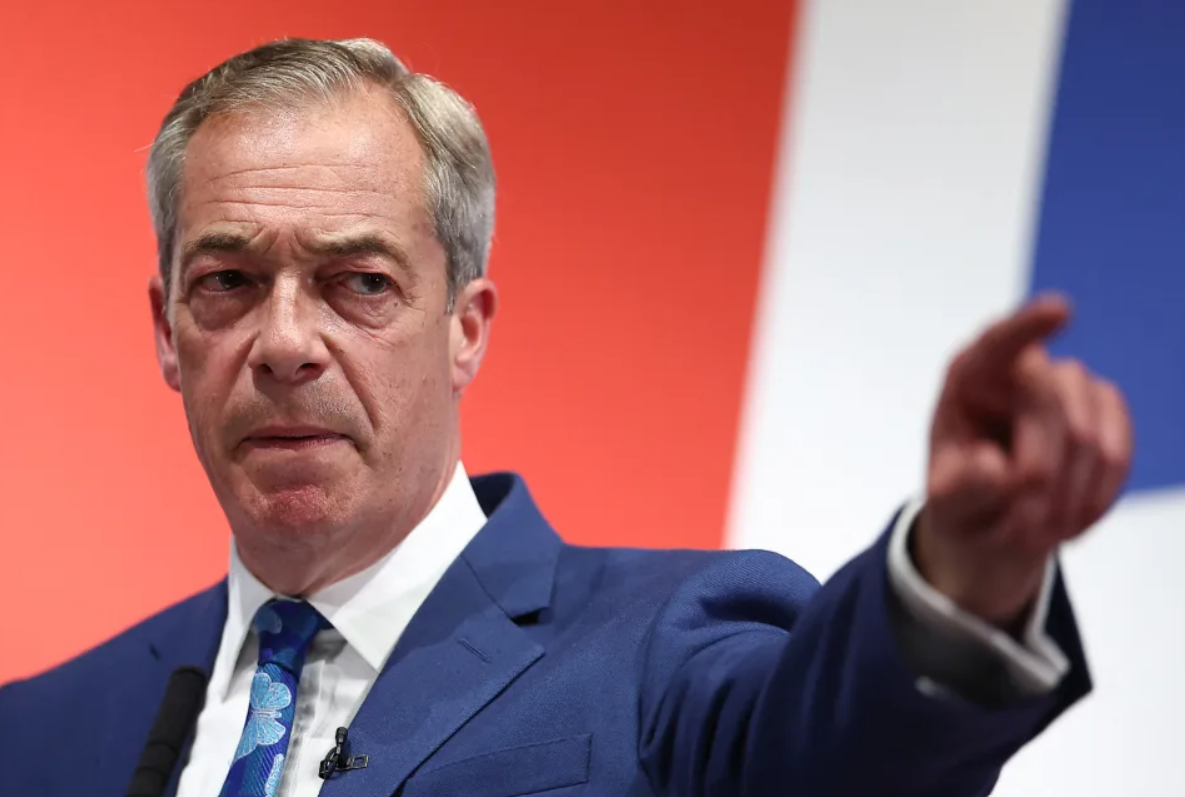
Nigel Farage is one of the most recognizable and polarizing figures in modern British politics. Over several decades, he has played a significant role in debates surrounding national sovereignty, immigration, European integration, and political identity in the United Kingdom. Supporters view him as a politician willing to challenge established institutions, while critics often accuse him of contributing to political division and populist rhetoric.
Born in Kent, England, Nigel Farage began his professional career in commodity trading before entering politics. Unlike many traditional politicians, he did not follow the typical route through party structures or academic political institutions. His background in finance and business contributed to the outsider image that later became central to his political identity.
Farage first gained political attention through his involvement with the United Kingdom Independence Party (UKIP), a political party focused largely on Euroscepticism and opposition to deeper European integration. Throughout the late 1990s and early 2000s, UKIP remained a relatively small political movement, but Farage’s communication style and media presence gradually increased its visibility.
One of the defining issues of Farage’s political career was Britain’s relationship with the European Union. He consistently argued that decision-making power should remain within the United Kingdom rather than being shared with European institutions in Brussels. His speeches often emphasized themes of national sovereignty, border control, democratic accountability, and skepticism toward globalization.
Farage served multiple terms as a Member of the European Parliament, where he became widely known for his outspoken speeches criticizing European Union leadership and bureaucracy. Clips of these speeches frequently circulated online and contributed to his growing public profile both in Britain and internationally. Supporters praised his direct communication style, while critics argued that his rhetoric sometimes prioritized confrontation over constructive debate.
The 2016 Brexit referendum marked the most influential period of Farage’s political career. Although he was not officially leading the main Leave campaign, he became one of the public faces associated with the movement advocating for Britain to leave the European Union. The referendum result fundamentally changed British politics and secured Farage a lasting place in the country’s modern political history.
Following Brexit, Farage remained active in public life through media appearances, political commentary, and broadcasting. He continued discussing issues such as immigration, free speech, national identity, and public dissatisfaction with mainstream political parties. In recent years, his presence in television and online media has remained significant, reflecting the increasing overlap between politics and modern broadcasting culture.
Farage’s critics argue that his style of politics contributed to increased political polarization within the United Kingdom. Some accuse him of simplifying complex social and economic issues into emotionally charged narratives. Others claim his rhetoric surrounding immigration and nationalism has intensified divisions within British society. However, supporters counter that he addresses concerns that many voters believe traditional political parties ignored for years.
His political influence has also extended beyond Britain. International commentators frequently compare Farage to other populist political figures who gained prominence during periods of public dissatisfaction with globalization and political elites. His media-friendly style, focus on national sovereignty, and emphasis on anti-establishment messaging fit broader political trends observed in several Western countries during the 2010s and 2020s.
Despite controversies, Farage remains a highly effective communicator. His ability to dominate media attention and shape political discussions demonstrates how modern political influence increasingly depends not only on formal political office but also on visibility across television, digital media, and social platforms.
Nigel Farage’s legacy continues to be debated. To supporters, he represents political independence and resistance to centralized power. To critics, he symbolizes the rise of populism and confrontational political discourse. Regardless of perspective, his role in shaping debates surrounding Brexit and British national identity remains one of the defining political stories of recent British history.
