
Early Life and Education
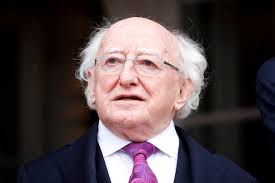
Michael D. Higgins was born on 18 April 1941. wink+1
He grew up in a modest family and pursued higher education before embarking on a career that combined academia, activism and eventually public service. Higgins studied sociology, politics, and economics at university and began his professional path engaging in cultural and civil‑rights work.
Political Career and Ascent
Higgins’ entry into politics was marked by his commitment to social justice, equality, and human rights. Over the years, he served in various roles — as a member of parliament, as a public intellectual, and as a voice for progressive causes. His background in academia and culture helped him shape a distinctive political style rooted in empathy and social consciousness.
In 2011, Michael D. Higgins was elected as the President of Ireland. УНИАН+1
As president, he has used his platform to advocate for human rights, social inclusion, cultural diversity and the protection of dignity for all citizens.
Presidency: Focus and Values
During his presidency, Higgins has emphasized:
- Social equality and justice — advocating for marginalized groups, promoting equal rights and dignity for minorities and underrepresented communities.
- Cultural and humanistic values — supporting arts, literature, and education as key pillars for societal development.
- International solidarity and human rights — using Ireland’s voice on the global stage to support humanitarian causes and democratic values.
His public addresses often reflect a deep concern for social cohesion, empathy, and responsible citizenship.
Personal Life and Public Image
Michael D. Higgins is widely respected for his humility, intellectual depth, and authentic concern for people — traits that set him apart in contemporary politics. His background as scholar, poet and activist gives him a broad appeal beyond party lines.
He is perceived not just as a political figure, but as a moral compass and a “president of the people,” someone who represents values of compassion, dignity, and solidarity.
Legacy and Influence
As president, Higgins has shaped the symbolic and ethical dimension of Irish leadership. His tenure has reinforced the idea that heads of state can — and should — be more than administrators: they should be cultural leaders, moral guides, and defenders of humanity.
For many Irish citizens and observers abroad, Michael D. Higgins stands as an example of dignified leadership, combining intellect, empathy and consistent advocacy for human rights and social justice.
Why His Story Matters
In a time when politics globally often tends toward polarization and populism, Higgins’ presidency serves as a reminder that public office can — and perhaps should — be exercised with empathy, respect for diversity, and a commitment to universal human values.
